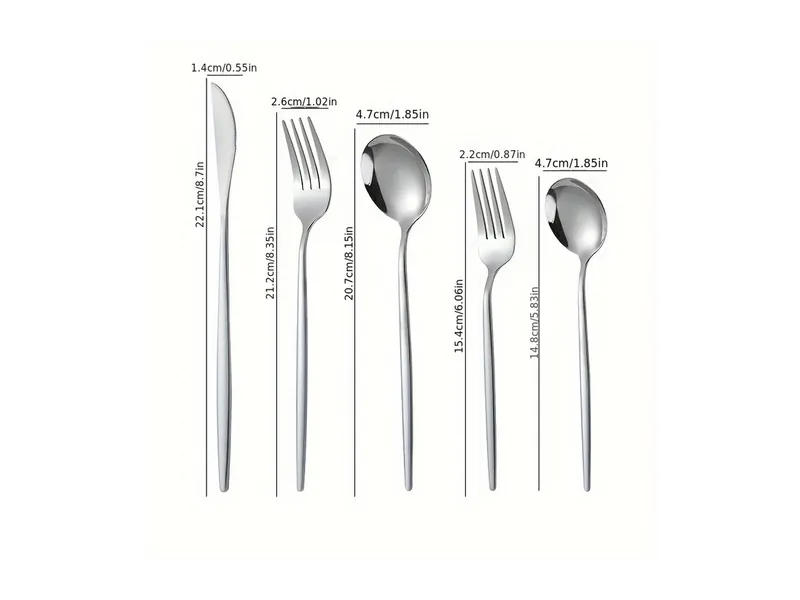
Before Cutlery Ships: A Buyer Brief for Product and Packing Checks
· Yumingxing
The cover is a generated editorial illustration, not evidence of a Yumingxing inspection, test or customer shipment.
“Please inspect before shipment” does not tell an inspector which cutlery revision to compare, what to look at, or what happens if a problem appears. A buyer should agree a written inspection brief before finished goods are checked, using the approved order and sample as references. This article is a planning checklist, not an inspection report or a universal acceptance standard.
Yumingxing’s English homepage says to agree inspection and packaging requirements before ordering. Its quality and documents page discusses product-specific checks and documents. A sample approval record identifies the accepted reference before production. The pre-shipment brief below asks how to compare finished goods and packing with that reference; it does not claim a particular factory test was performed.
Put the comparison basis at the top
Record the purchase order, model, component list, finish, logo and retail-pack revision that are current for this shipment. Attach the approved physical sample or its controlled identifier, and say which specification wins if two files conflict. Keep distinct SKUs, colours and pack configurations on separate lines.
| Brief field | Buyer and supplier must agree |
|---|---|
| Scope and timing | Which finished lots or order lines will be checked, and at what point before release. |
| Sampling and acceptance method | Who selects units, how many, what counts as a problem and who decides disposition. Use an agreed written plan; do not assume a generic AQL number. |
| Product identity | Model, set composition, component material and dimensions against the approved specification. |
| Visible and usable details | Finish, logo placement, edges, fork tines and obvious assembly issues, using agreed criteria and reference samples. |
| Packing and count | Sellable unit, inner pack, shipping carton, marks and quantity by SKU. |
| Evidence and owner | Photos or measurements required, inspector, report date and buyer contact. |
| Failed-check route | Hold, correct, reinspect or accept a documented exception, with the decision owner named. |
These fields are an editorial brief template. The exact sampling plan, defect categories, measurement method and legal documents must be agreed for the actual product and destination. A photo of a few good pieces is not proof that the complete shipment passed an agreed inspection.
Close the loop before release
Ask the inspector or supplier to identify the lot and order revision on every report. Separate observations from decisions: “logo is offset on sampled forks” is an observation; whether the lot is held or reworked requires the agreed decision process. If rework occurs, record the change and the reinspection result rather than silently replacing the original report.
Compare the final packing count with the purchase order; the pieces, sets and cartons guide helps reconcile the units. Ask for any material or destination documents specified in the order to be linked to the relevant product and lot; do not infer compliance from a generic certificate image. Send the model, order revision and proposed inspection scope through the enquiry page before confirming the plan.
Sources and limits
- Yumingxing English homepage — inspection and packing requirements should be agreed before ordering; checked 2026-10-01.
- Quality and documents page — product-specific check and document context; checked 2026-10-01.
This article does not prescribe a sampling standard, defect limit, test, certificate or release decision. Those depend on the order, destination and agreed inspection plan.