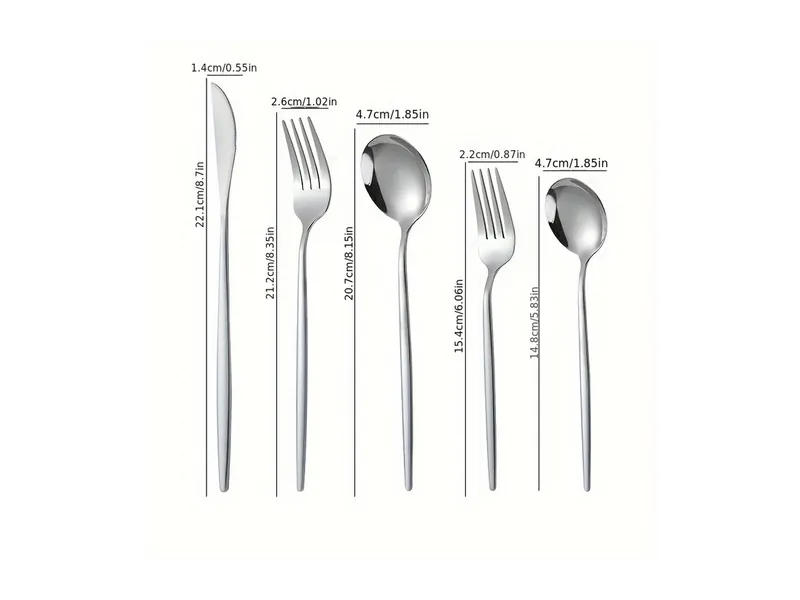
A Cutlery Spec Changes After the Order: Record the Decision Before Production
· Yumingxing
The cover is a generated editorial illustration, not a Yumingxing production change or customer order.
An importer may approve a cutlery order and later ask to move a logo, change a finish or revise the retail pack. An email saying “please update it” does not show which knives, forks or spoons are affected, what replaces the approved file, or whether the change alters price and timing. Use a change-request record before anyone treats the new instruction as accepted. This is an editorial coordination method, not a contractual change notice or a claim that production can always be modified.
Yumingxing’s buying process asks the parties to record approved specifications, samples and inspection requirements in the order. Its OEM/ODM page describes model-dependent customisation and feasibility review for structural changes. These points make a controlled baseline necessary; the actual impact of a proposed change must be confirmed for the specific order.
Compare the proposal with the approved baseline
| Change-record field | What to write before approval |
|---|---|
| Order and revision | Purchase order, affected SKU and currently approved specification/sample/artwork version. |
| Requested difference | Exact knife, fork, spoon, logo, finish, set count or pack field to change; attach proposed new file. |
| Stock and work status | Ask which units or materials, if any, are already committed or completed; do not assume a stage. |
| Impact review | Request written effect on feasibility, sample need, quantity, cost, inspection and target timing. |
| Decision owner | Named buyer and supplier contacts, decision date, and approve/reject/defer status. |
| Released reference | Final revision that replaces the old one, and recipients of the updated order and check instructions. |
Keep the original baseline intact while the request is under review. Mark a proposal requested, under review, approved with revision, or rejected; only a clearly approved revision should update the working specification. If a change affects the appearance or construction that the buyer previously sampled, ask whether a new sample is needed. If the supplier reports a timing or cost impact, record that response beside the revised purchase terms rather than silently carrying over the old promise.
The sample approval guide helps identify what was originally accepted, and the component specification card helps locate the affected utensil. Send a complete request through the enquiry page and wait for a written feasibility and approval response before updating an order file.
Sources and limits
- Yumingxing English homepage — order baseline of specification, sample and inspection requirements; checked 2026-10-02.
- Yumingxing OEM/ODM page — model-specific customisation and feasibility context; checked 2026-10-02.
No change has been accepted, and no cost, production stage or delivery effect is asserted for a real order. The contract controls formal amendment rights and procedures.