Existing Model, Private Label or New Tooling? A Cutlery Sourcing Decision Sheet
· Yumingxing
The cover is a generated editorial illustration. It does not depict a Yumingxing SKU, factory sample or completed customer order.
A buyer’s request for “custom cutlery” can describe three very different jobs: buying a catalogue pattern, branding an existing pattern, or changing the cutlery’s shape. Before requesting a price, identify which physical feature must change. This decision sheet is for importers and private-label buyers deciding what to send in a first enquiry; it is not a promise that any particular modification is available.
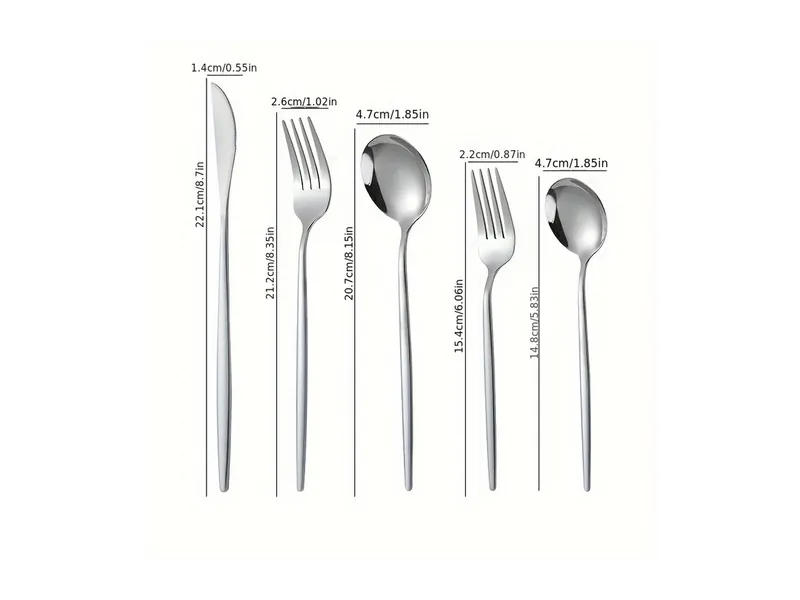
Yumingxing’s current OEM/ODM information invites discussion of logos, finishes, set composition and packaging, while structural changes require a separate feasibility review. The Portuguese-style five-piece catalogue set is a useful reference model, but its published composition is not approval for a different handle, material, coating or pack.
Route the request by the change that matters
| Buyer requirement | Initial route | Evidence to send | Decision still needed |
|---|---|---|---|
| Use a catalogue shape and standard presentation | Existing model | Model link, component list, target quantity and destination | Confirm current specification, availability, MOQ and packing for that exact model. |
| Keep the utensil geometry but add a logo, finish, chosen pieces or branded box | Private label on an existing model | Model, marked logo artwork and position, finish reference, piece count, packaging artwork and quantities | Confirm each option’s feasibility, sample, price, MOQ and lead time in writing. |
| Change handle outline, bowl, tines or another structural dimension | New-development feasibility review | Dimensioned drawing or physical reference, tolerances that matter, intended use, forecast and target date | Determine tooling or process route, ownership terms, samples, cost and schedule before assuming production. |
These routes are a buyer-side triage method, not three published Yumingxing price tiers. A programme may combine them. For example, a catalogue knife and spoon with a new fork handle needs a separate feasibility answer for the fork; a single quote label such as “ODM set” cannot settle that difference.
Compare options on the same basis
Ask the supplier to return one line per component and variant. Keep the following fields together:
- Reference model and revision, with knife, fork and spoon identified separately.
- What stays unchanged and what changes: shape, dimensions, material by component, finish, logo and packaging.
- A sample or artwork approval route, with the person responsible for signing off each change.
- MOQ, unit price basis and any one-time development or tooling charge, if applicable.
- Production timing after final approval, plus packing and delivery terms. Request actual dates; do not infer them from the route name.
If the buyer is testing a market, an existing catalogue pattern may reduce the number of open design decisions. If a distinctive silhouette is central to the brand, put the geometry in the brief and request feasibility before comparing a catalogue quote with a development quote. Neither route automatically guarantees a lower price or shorter lead time.
A short first-enquiry example
“We are sourcing a five-piece stainless-steel retail set for [destination] at [forecast quantity]. Our reference is [model link]. We need [unchanged catalogue shape / logo and box on that shape / revised handle drawing]. Please confirm component material and finish by piece, the feasible customization route, sample steps, MOQ, quote basis, packing and timing. Flag any item that requires new tooling or cannot be confirmed yet.”
Send the marked brief through the enquiry page. If a response leaves the requested route or changed component unclear, resolve that before sample approval. The separate sample approval guide covers the record to keep once a physical sample exists.
Sources and limits
- Yumingxing OEM/ODM page and English homepage — scope of customization discussions and feasibility caveat; checked 2026-09-29.
- Portuguese-style five-piece catalogue model — a reference set, not a guarantee of every option; checked 2026-09-29.
The tables and example enquiry are editorial procurement tools. Availability, pricing, MOQ, tooling, material documentation and delivery must be confirmed for the specific product and destination.