Will This Dinner Fork Work on the Menu? A Sample Check for Buyers
· Yumingxing
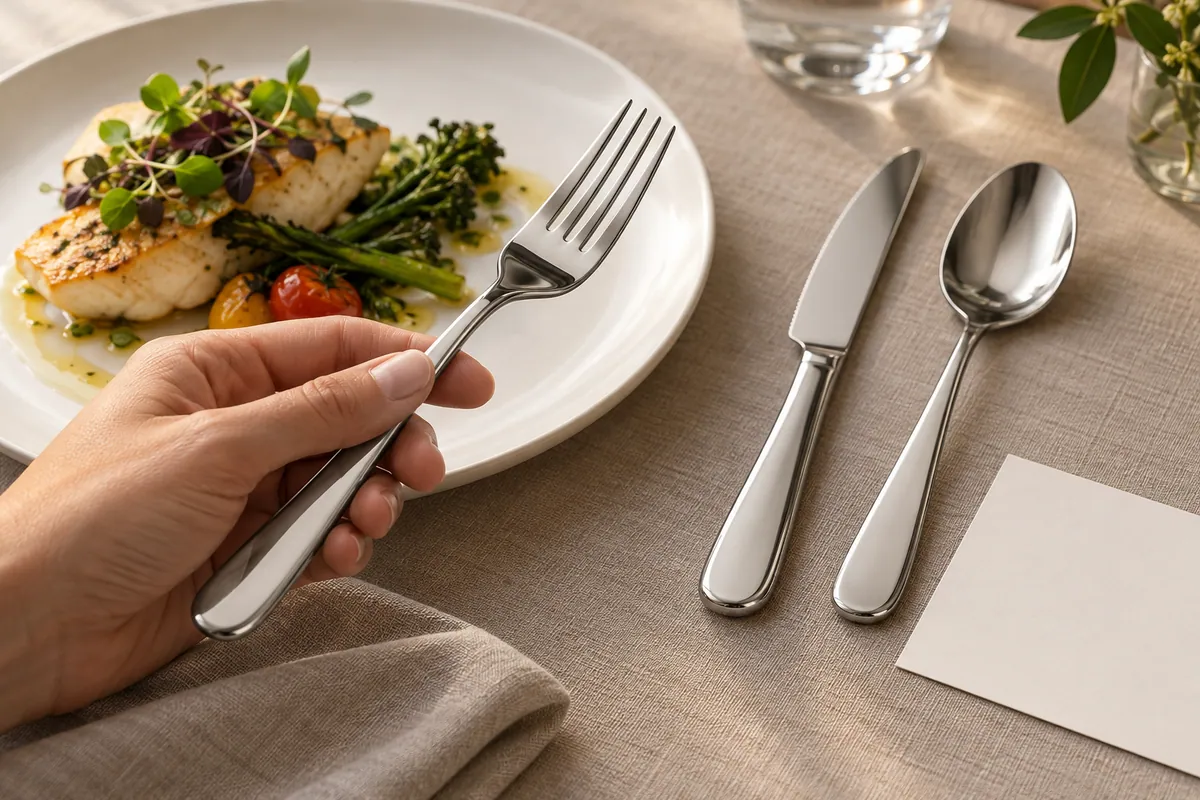
The cover is a generated editorial illustration, not a Yumingxing production sample or a verified service trial.
Two pieces can both be called “dinner forks” yet feel different during the same meal. A catalogue name does not show whether the fork head, tine spacing and handle work with a restaurant’s plates, portions and service routine. Before approving a bulk order, test the actual proposed fork sample against representative dishes and record what the team observes. This is a buyer trial method, not a claim that one shape is universally better.
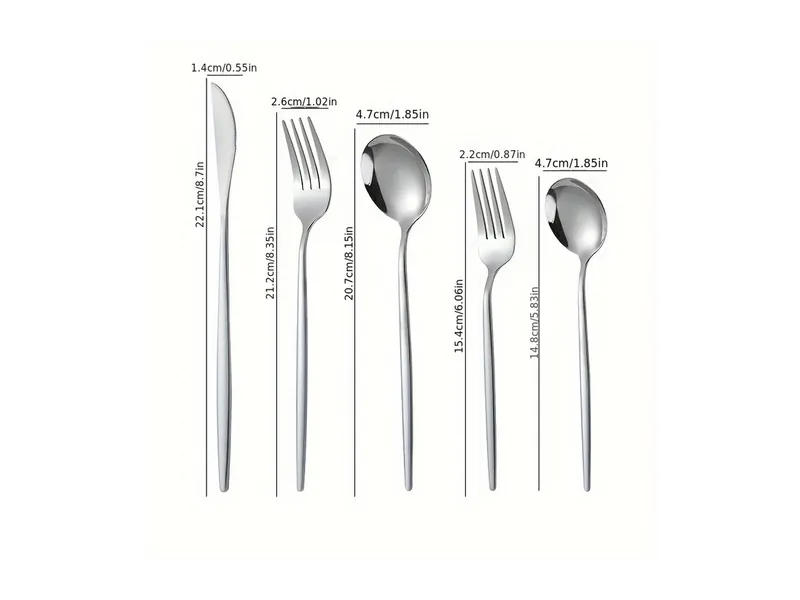
Yumingxing’s Portuguese-style five-piece catalogue set lists a dinner fork and a salad or dessert fork as distinct components. Its cutlery RFQ guide asks buyers to specify component dimensions and intended configuration. Neither page supplies a universal fork geometry or a service result for an unconfirmed order.
Record the intended service before the trial
| Field | Buyer records | What to check with the sample |
|---|---|---|
| Fork identity | Model, dinner/salad designation and revision | Prevent a similar fork from replacing the approved one |
| Dish and plate | Representative menu item, serving size and plate shape | Try the fork during the real eating motion |
| Head | Tine count, spacing, length and tip shape of the proposed sample | Observe pickup and release for the selected dishes |
| Handle | Overall length, grip and balance as perceived by users | Ask the service team to handle the physical piece |
| Setting | Position with the matching knife, spoon and plate | Check placement, reach and presentation together |
| Care | Intended washing and storage routine | Request applicable care instructions and evidence for any claim |
| Decision | Reviewer, date, sample ID and unresolved issue | Tie approval or revision to one physical version |
Use more than one representative dish when the menu varies. A fork that is comfortable with one preparation may not suit another; record both observations rather than turning a single trial into a general performance promise. If the plate has a pronounced rim or the service uses a particular tray, include those objects in the check. Changes to food presentation, plate or fork sample should reopen the relevant part of the approval card.
Photographs help compare placements, but the physical sample is the decision reference for handling. Do not infer a steel grade, food-contact approval or cleaning performance from appearance. Confirm each of those requirements separately with the supplier and appropriate supporting documents.
Send the completed card with the RFQ: identified fork sample, matching set components, menu and plate references, observations, and the person authorized to approve the final version. That gives the supplier a specific service brief instead of an ambiguous request for a “standard dinner fork.”