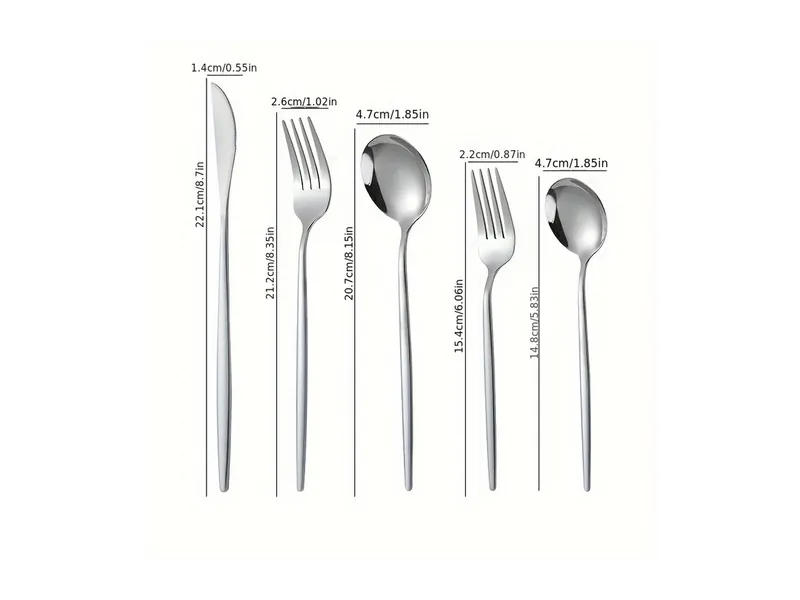
Before Paying for Cutlery Samples: Separate the Charges and Terms
· Yumingxing
The cover is a generated editorial illustration, not a Yumingxing sample, price quotation or shipment.
The phrase “sample cost” may hide several decisions. Is the buyer paying for an existing-model reference, a finish comparison, a branded proof, a packed set, or the delivery of those items? Before approving a sample quotation, separate what will be supplied from which preparation and delivery steps are included. That keeps the payment decision tied to the sample the buyer actually needs.
Yumingxing’s cutlery RFQ guide asks for the model, components, finish, logo, packaging, destination and required timing, and says to confirm the sample route separately. The buyer should also define which procurement question each sample must answer. The guide does not state a universal sample price, courier charge, refund policy or lead time; those terms need a project-specific written reply.
Request an itemised sample answer
| Field | What the buyer should ask | Why it matters |
|---|---|---|
| Sample identity | Model or drawing, knife/fork/spoon components and revision | Avoid paying for a different reference |
| Requested form | Existing reference, finish comparison, branded proof or packed set | Distinguish a stock reference from preparation work |
| Quantity | Pieces or complete sets for each requested form | Keep the quote unit clear |
| Preparation scope | Whether logo application, a new finish or special packing is included, and what is still subject to feasibility | Avoid treating a plain sample as a custom proof |
| Charge lines | Sample items, any separately quoted preparation and delivery | See what each amount covers before acceptance |
| Delivery | Destination, recipient, dispatch method and who arranges and pays for it | Prevent an unpriced handoff |
| Later-order treatment | Whether any amount is credited to a later bulk order, and under which written conditions | Avoid assuming a credit or refund |
| Decision record | Quote revision, validity stated by the supplier, approver and unresolved points | Tie payment to the accepted version |
The table is a request for clarity, not a statement that every supplier charges each line or offers a credit. Ask the supplier which lines are applicable to the proposed route. If it cannot yet confirm a custom logo, finish or package, mark that line “pending feasibility” rather than approving it as if it were included.
Check the answer before transfer
Compare the quoted sample identity with the buyer’s written request scope. Confirm whether the quoted quantity means individual pieces or complete sets. Ask which artwork or specification revision the supplier will use and what evidence the buyer will receive before bulk approval. Record the expected dispatch step separately from the date needed for the buyer’s decision; an estimated preparation time is not a delivery guarantee.
Finally, have the buyer’s approver sign off the specific quotation revision, including any written credit condition and delivery responsibility. If the requested pieces, finish or destination changes, obtain a revised answer before paying. A clear sample-cost record helps both sides discuss the next sample decision without implying that a particular price, lead time or refund has already been agreed.