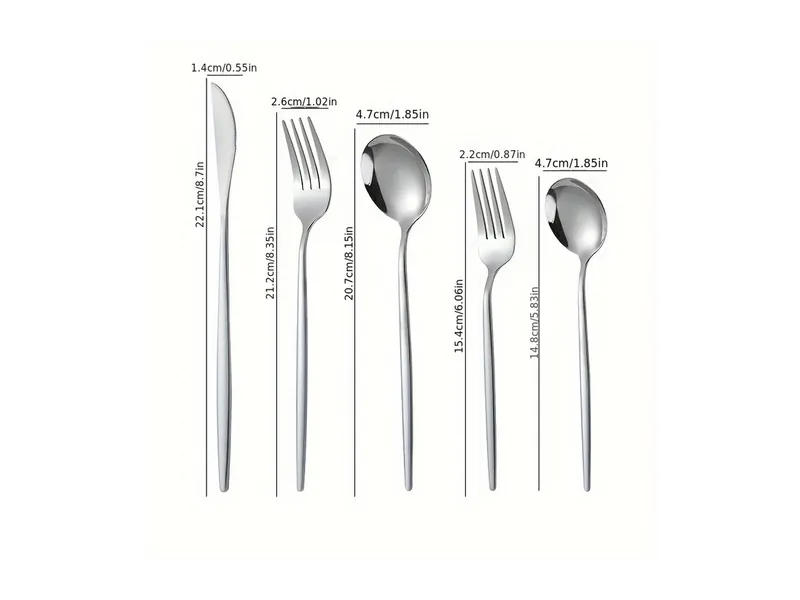
Before Printing Cutlery Care Claims: A Private-Label Approval Card
· Yumingxing
The cover is a generated editorial illustration, not a photograph of a Yumingxing product or approved care label.
“Dishwasher safe” is short enough to fit on a retail box, but it is still a product claim. A private-label buyer should not copy it from a competing set or apply it to every knife, fork and spoon because the pieces look alike. Before artwork is printed, compare the proposed wording with the exact component construction, finish and intended cleaning conditions. This is an editorial approval workflow, not a claim that any Yumingxing model has passed a dishwasher test.
Yumingxing’s current catalogue guidance says material choices and finishes vary by model and component, and asks buyers to confirm the specification. Independent cutlery testing organization CATRA describes dishwasher-resistance evaluation among available product tests. The existence of a test method does not prove that a particular supplier’s product was tested or passed.
Give every care statement an owner and a basis
| Artwork field | Approval question | Record to keep |
|---|---|---|
| Product identity | Does this text apply to the exact set and revision being packed? | Model, component list and artwork revision. |
| Materials and finish | Do all pieces share the relevant construction, coating or handle treatment? | Component-by-component specification. |
| Cleaning instruction | Is the proposed hand-wash or machine-wash wording supported for each piece and the stated conditions? | Supplier response and any product-specific evaluation requested by the buyer. |
| Limitations | Are there conditions or exclusions that the label must explain? | Approved wording and decision owner. |
| Language and placement | Can the target-market buyer read the care instruction on the final pack or insert? | Final language proof and pack mockup. |
Mark a line approved, needs evidence, or remove from artwork. An unfilled cell is not an approval. If a set combines different components, ask whether one general instruction covers every piece; otherwise make the wording piece-specific or withhold the unsupported claim. Keep the source file and print proof together so a later design revision does not restore old wording.
The RFQ checklist helps identify what is actually in the set, while the retail-box and shipping-carton brief separates consumer-facing text from transport marks. Ask Yumingxing through the enquiry page which instructions and supporting records apply to the proposed model. Confirm any destination-specific label obligations with the buyer’s qualified local reviewer; this article does not prescribe a country’s legal wording.
Sources and limits
- Yumingxing English homepage — component- and model-specific specification guidance; checked 2026-10-01.
- CATRA product testing overview — dishwasher resistance is a testable product attribute; checked 2026-10-01.
No dishwasher suitability, test result, care interval, certification or regulatory compliance is asserted for a specific Yumingxing SKU.