Gold or Black Cutlery: Approve the Finish Across Every Piece
· Yumingxing

The cover is a generated editorial illustration, not a photograph of a Yumingxing production sample or a color standard.
A buyer may approve a gold or black spoon and later discover that the knife, fork and second spoon do not look consistent together. A color name is a starting point, not a complete approval standard. For a colored stainless-steel cutlery set, review the whole proposed set under agreed conditions and record which physical sample is the reference for production.
Yumingxing lists gold and black as possible surface options on its stainless-steel cutlery collection and Portuguese-style five-piece set. Availability and details depend on the model and quotation. These catalogue pages do not promise a particular coating process, color tolerance, durability result or exact appearance in a buyer’s dining room.
Build one approval card for all components
| Field | What the buyer should specify | Sample decision |
|---|---|---|
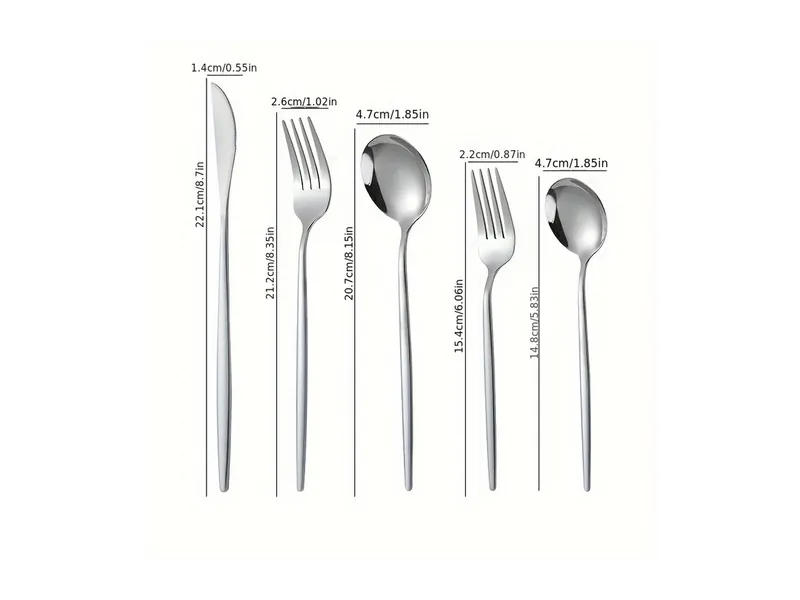
| Set identity | Model, piece count and each knife, fork and spoon | Compare the complete set, not one representative piece |
| Color reference | Approved physical sample, revision and agreed descriptive name | Photograph for records, but retain the physical reference |
| Viewing conditions | Light source, viewing angle and distance relevant to service | Review all pieces side by side in the same conditions |
| Coverage | Which surfaces and edges should carry the selected appearance | Inspect both front and reverse of each component |
| Base material | Agreed stainless grade for each component | Request component-specific confirmation separately from color |
| Handling and care | Intended washing, storage and contact conditions | Ask for documented care guidance and any required test evidence |
| Acceptance | Who approves, when, and how deviations will be judged | Record the signed sample revision before bulk production |
Look especially at differences between the broad spoon bowl, fork tines and knife blade. Their shapes reflect light differently even when the proposed color name is identical. A photograph taken under one light can help identify a sample, but screen color cannot settle an appearance dispute. If color matching is critical, define the physical reference, observation conditions and acceptable variation with the supplier before ordering.
Keep appearance approval separate from performance claims. A buyer should not infer scratch resistance, dishwasher suitability or food-contact compliance from a gold or black photo. Ask what finish is offered for the chosen model, what care instructions apply, and which documents support any claim the purchase order needs. If the answer differs by component, write that difference into the specification.
In the RFQ, attach the complete component list, approved sample identifier, finish and color reference, viewing conditions, care expectations and acceptance owner. Request a pre-production set in the same configuration. The release decision should refer to that set and its revision, so both parties can distinguish an approved finish from a visually similar but unapproved substitute.