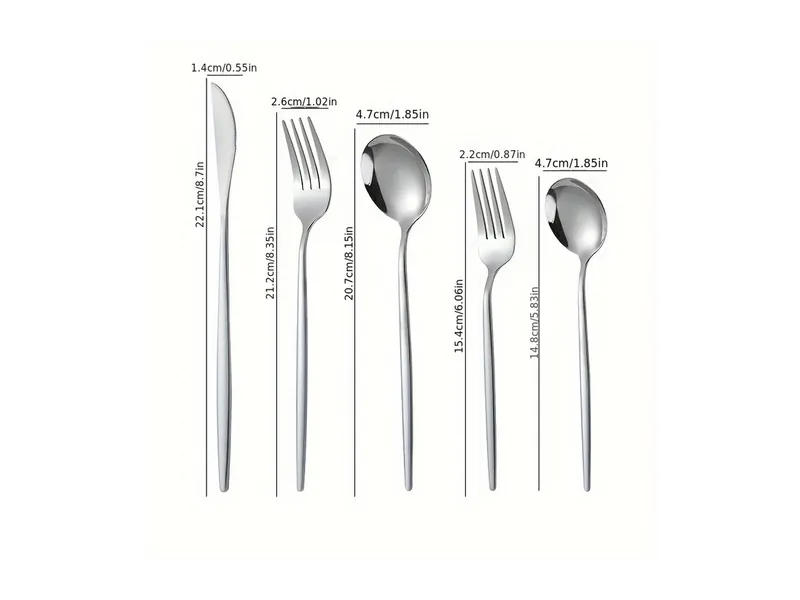
After Washing Cutlery, What Happens Before Storage?
· Yumingxing
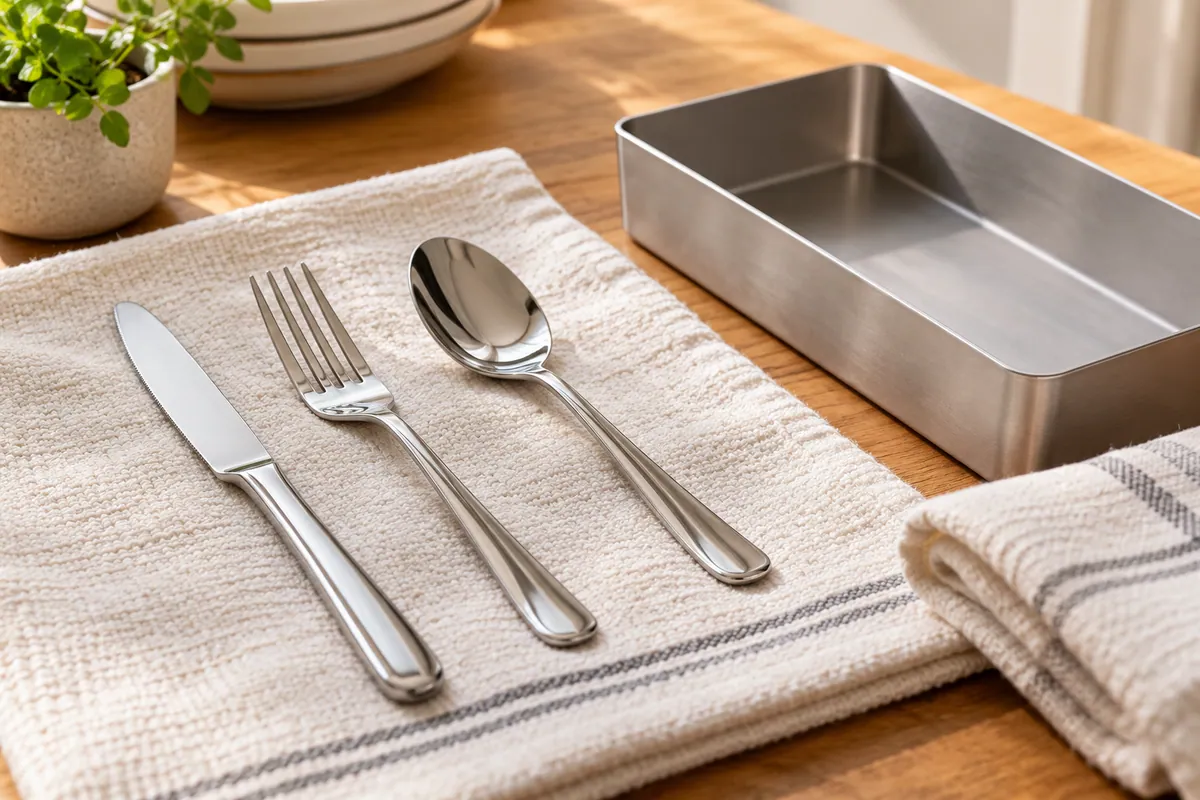
The cover is a generated editorial illustration, not a Yumingxing care test, storage facility or specific SKU.
For a hospitality buyer, washing is not the end of the cutlery workflow. A knife, fork or spoon can leave the cleaning area with moisture or residue and then sit in a closed tray until the next service. A care brief should therefore answer who checks the pieces before clean storage, not merely whether a machine cycle has finished.
The British Stainless Steel Association’s cleaning guidance describes rinsing and drying after suitable cleaning and notes ways to avoid drying marks. That is general stainless-steel guidance. It does not certify a particular Yumingxing finish, detergent, dishwasher program or service environment. Yumingxing’s cutlery range provides model context; product-specific care instructions must be agreed for the chosen set.
Post-wash handoff card
| Step | What the team agrees | Record or observation |
|---|---|---|
| Clean | Approved method for this finish and soil | Method and responsible station |
| Rinse | How cleaner residue is removed | Rinse instruction or observed check |
| Dry | When and how visible moisture is removed | Airflow or clean, soft wipe method |
| Inspect | Areas where droplets or marks collect | Bowl, tines, handle joint and blade check |
| Separate | How pieces avoid rubbing while drying | Basket or tray arrangement |
| Store | Only clean, dry pieces enter the designated area | Container condition and release owner |
| Exception | What happens to a marked or still-wet piece | Hold, re-clean or escalation record |
Build the routine around the actual product and service cycle. A coated, colored or mixed-material handle may need different care from plain stainless steel, so ask the supplier for finish-specific instructions. Test a small representative set under the venue’s real water, cleaner, basket and drying conditions before issuing a broad “dishwasher safe” message.
This checklist is a handoff aid, not a promise that every mark is harmless or that every stain can be wiped away. If marks persist, retain the affected pieces and the cleaning record for review. Keep cleaned pieces away from contaminated tools and avoid closing them into damp packaging. The buyer can then distinguish a handling issue from a product question with actual evidence.