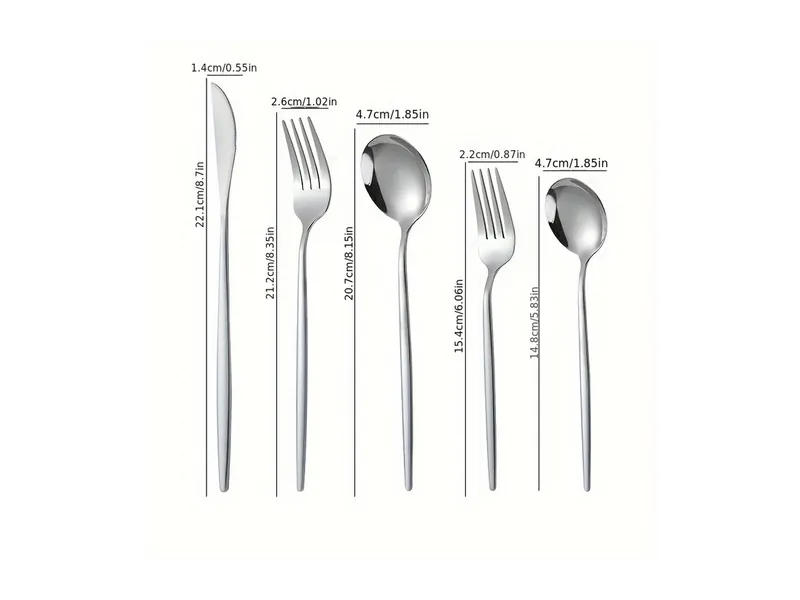
Approve a Cutlery Finish Under Agreed Lighting, Not One Photo
· Yumingxing
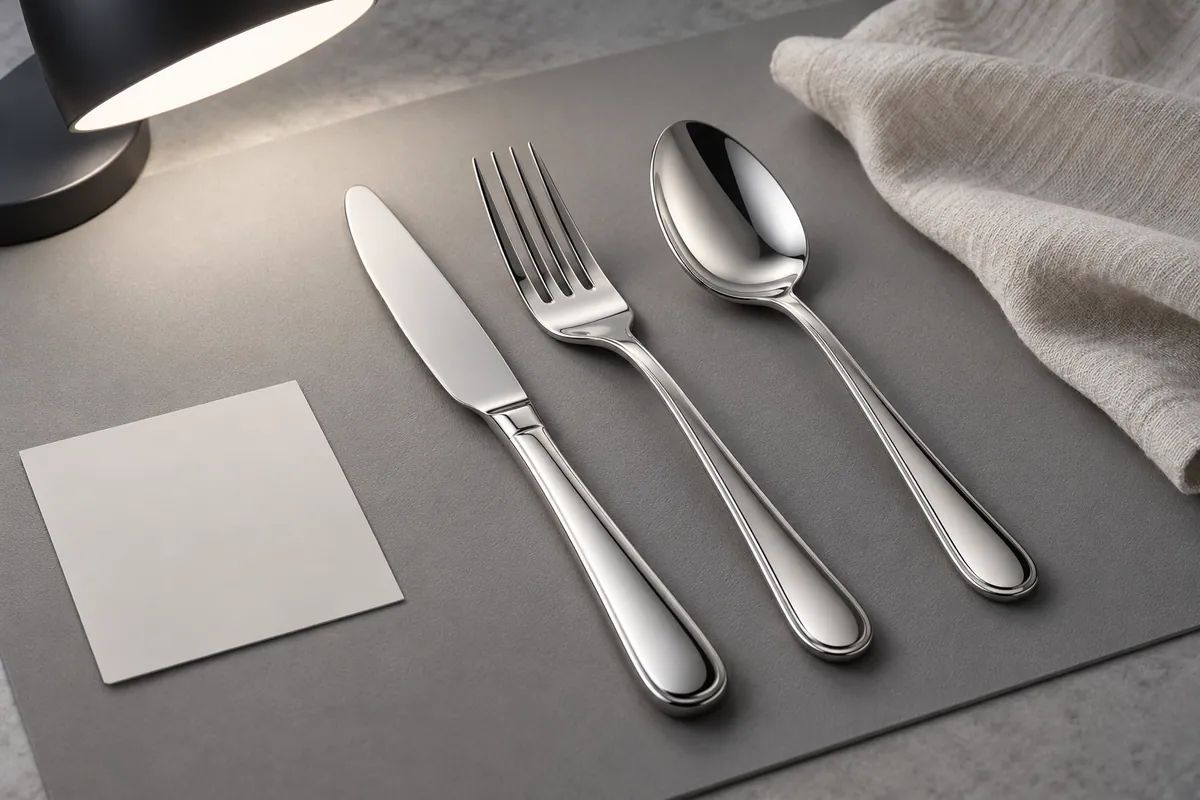
The cover is a generated editorial illustration, not a Yumingxing inspection station, certified test or product photograph.
A mirror-polished spoon may look bright beside a window and dull under a warm shelf light. A single phone photograph cannot settle whether a new production lot matches the approved finish: camera exposure, reflections and surrounding colors change the impression. Before arguing over a picture, agree how the buyer and supplier will view the same physical reference.
Yumingxing’s quality page describes checking finish and surface condition against an approved sample. Its cutlery range shows product categories, but neither page supplies a universal lighting level or acceptance threshold. The following is a practical review record to negotiate for the actual order.
Visual-review card
| Field | Decision to record | Evidence to retain |
|---|---|---|
| Reference | Exact approved knife, fork and spoon revision | Physical sample ID and dated image |
| Surface | Mirror, satin, brushed or other agreed area | Drawing and finish description |
| Light | Agreed neutral, diffuse inspection setup | Lamp description and location |
| Position | Which face, edge and viewing angle are checked | Simple position photos |
| Background | Stable neutral mat or backdrop | Setup photograph |
| Variation | Acceptable differences and what triggers review | Written buyer-approved examples |
| Disposition | Who decides a questionable lot | Signed comparison record |
Inspect several pieces from the same lot in the agreed setup, including handles, bowls, tines and the intended working edge. Compare like with like: a knife blade should not be judged against a spoon bowl reflection. If a coating or decorative color is involved, define the separate test evidence needed for durability rather than treating a pleasing appearance as proof of performance.
Photographs help record what was seen, but keep the physical reference and the setup description. When the buyer cannot inspect in person, request repeatable photos with the same background, lamp and camera position, then reserve final acceptance for the agreed inspection route. Do not invent a numeric color tolerance after production; decide it with the supplier before the lot is judged.