A Cutlery Complaint Arrived: Which Physical Sample Should You Keep?
· Yumingxing
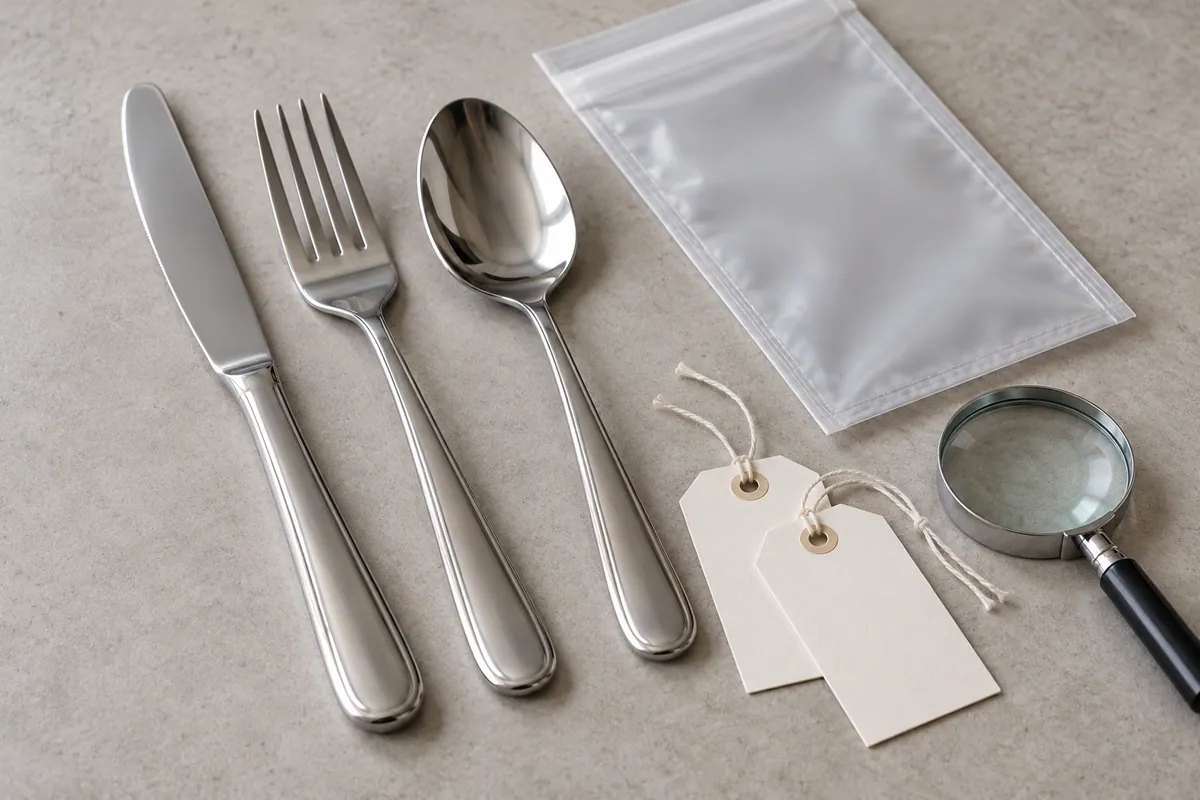
The cover is a generated editorial illustration, not a damaged Yumingxing item or a laboratory finding.
A photo of a marked spoon may start a complaint, but it may not give a technical reviewer enough context to distinguish manufacturing, handling, cleaning or later contact effects. The buyer’s first task is to preserve the questioned physical piece and its history without deciding the cause from appearance alone. If an item could present a safety concern, remove it from service under the site’s normal safety procedure before further handling.
CATRA describes cutlery defect assessment and metallurgical failure investigation. Those services show why a defined sample and question matter; they do not diagnose an unexamined piece. Our service-issue record covers the overall incident. This card focuses on the physical sample handed to the supplier or independent evaluator.
Build a sample packet, not a conclusion
| Item | Buyer records | Why it travels with the sample |
|---|---|---|
| Questioned piece | Component type, model, finish, visible condition and unique temporary ID | Keeps the finding tied to one object |
| Comparison piece | Unused or unaffected item from the same order, with its own ID | Gives the reviewer a relevant reference without assuming identical history |
| Lot link | Order, pack or carton reference and any available component batch | Identifies the population that may need review |
| Use history | When first used, cleaning method, chemistry if known, storage and observed change | Separates recorded conditions from guesses |
| Photos | Overall views plus close-ups before further cleaning or disassembly | Preserves the as-received state |
| Transfers | Who held, packed and received each item, with dates and condition notes | Reduces confusion between samples |
Ask the evaluator how to pack and whether cleaning or destructive testing should wait. Do not polish away a mark, combine different lots in one unlabeled bag, or call an unaffected comparison piece proof that the questioned one was misused. If a component is missing, say so rather than inventing a substitute.
The final handoff should state the buyer’s question: for example, “What is this surface change, and what additional evidence would distinguish possible causes?” Keep customer observations, supplier response and independent findings in separate fields. A sample record enables investigation; it is not a safety certification, root-cause finding or blanket judgment on the rest of the shipment.