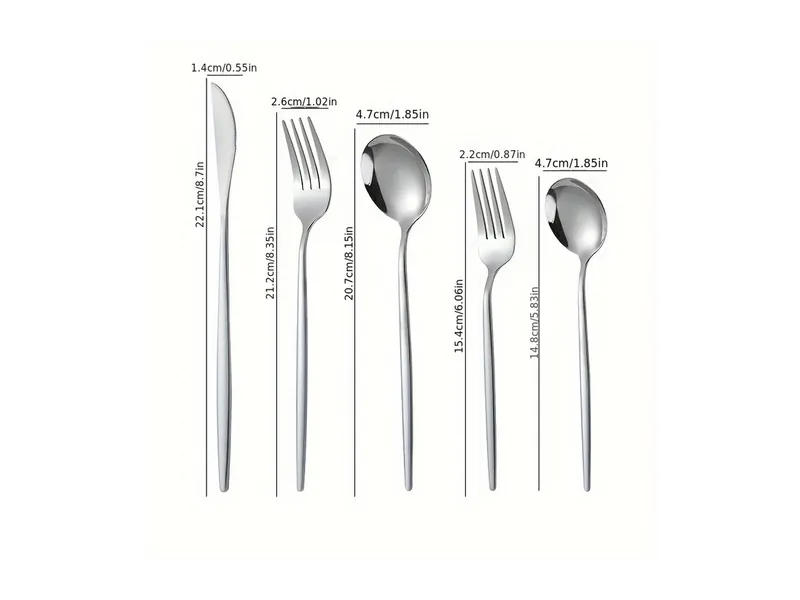
New Cutlery Tooling: Which Sample Releases Production?
· Yumingxing
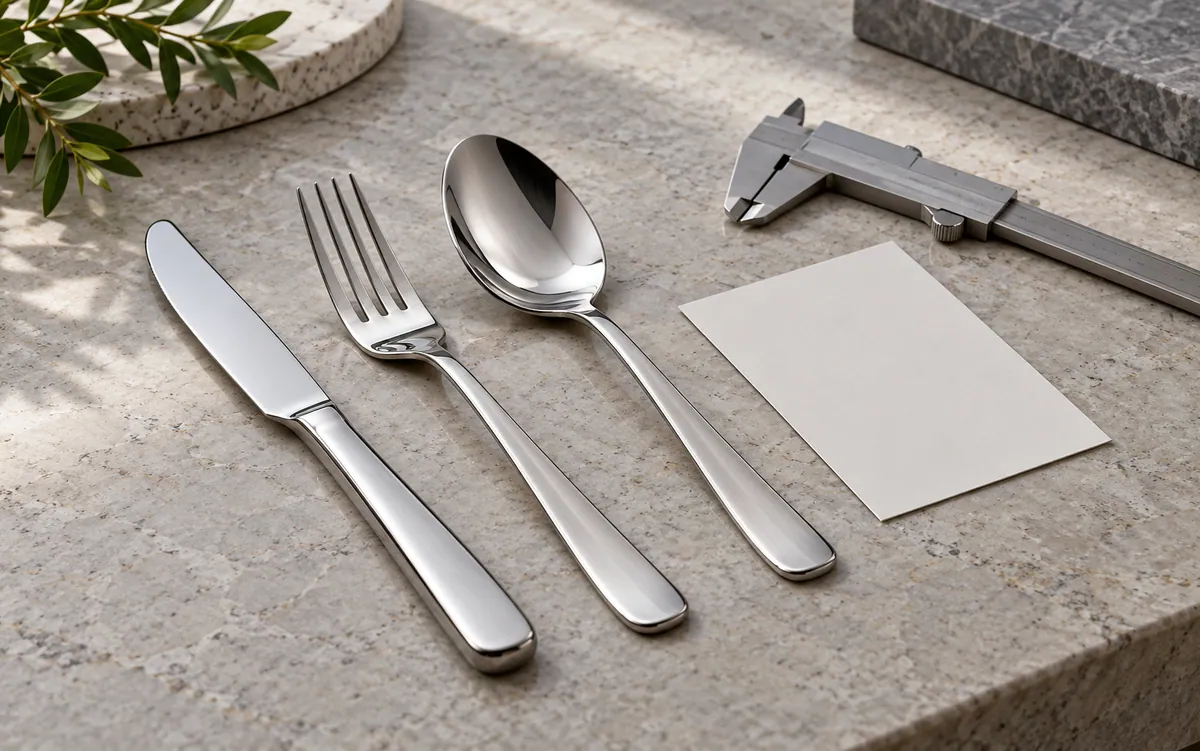
The cover is a generated editorial illustration, not a Yumingxing tooling sample, measurement or factory photograph.
Paying for a new cutlery tool does not by itself approve the first knife, fork or spoon produced from it. The first physical pieces may reveal a handle shape, edge, thickness or finish that the drawing did not make obvious. A buyer should name the sample revision that releases production, the checks it must pass and the person who signs off. This is a separate decision from who owns the tool.
Yumingxing’s OEM/ODM guidance separates new tooling from existing-model and logo routes, and sets out feasibility, quotation, sample approval and production arrangements as distinct stages. Its quality page calls for dimensions, weights, edges, finish and set composition to be checked against an approved sample. Neither page says a particular new tool is ready or that any tolerance has been met.
Link the first piece to a release decision
| Record | Buyer and supplier agree | Evidence retained |
|---|---|---|
| Scope | Exact knife, fork, spoon or set component affected by the new tool | Model and component IDs |
| Design baseline | Drawing and specification revision used for the sample | Dated approved files |
| Sample identity | Marked first-sample revision and quantity examined | Physical retained sample and photographs |
| Physical checks | Agreed dimensions, weight, edges, finish and fit | Results against written acceptance criteria |
| Differences | What differs from the approved design and who will resolve it | Deviation list and revised sample if needed |
| Release authority | Named buyer approver and supplier contact | Signed approval or written rejection |
| Reorder reference | Which sample and files later batches must match | Stable revision reference on the order |
Make the checks proportional to the actual design change. A new handle profile may need physical grip and tray-fit checks; a new spoon bowl may need service-use review. Record the chosen criteria before judging the sample rather than inventing a pass level after seeing it. If a formal performance or market-compliance claim is required, define separate product-specific evidence; a first-piece visual review is not a certified test.
Do not release bulk production merely because a photograph looks acceptable. Compare the identified physical pieces with the approved files, record any correction and approve the revised sample. Put that sample ID on the purchase order and inspection brief so a later batch is compared with the same reference.